1. Audit Your Current Kitchen Before Anything Else
Walk through your kitchen with fresh eyes. Note what works, what does not, and what you have simply learned to tolerate.
Common issues worth fixing:
- Not enough counter space near the stove or sink
- Cabinets that do not reach the ceiling (wasted space)
- Poor lighting over work areas
- A layout that forces you to walk around the island to reach the fridge
This audit becomes your remodel priority list. It also prevents you from spending money on finishes while ignoring layout problems that will still bother you ten years from now.
2. Understand the Three Kitchen Layout Options
Most kitchens fall into one of three layout categories, and knowing yours helps narrow down what ideas are actually possible in your space.
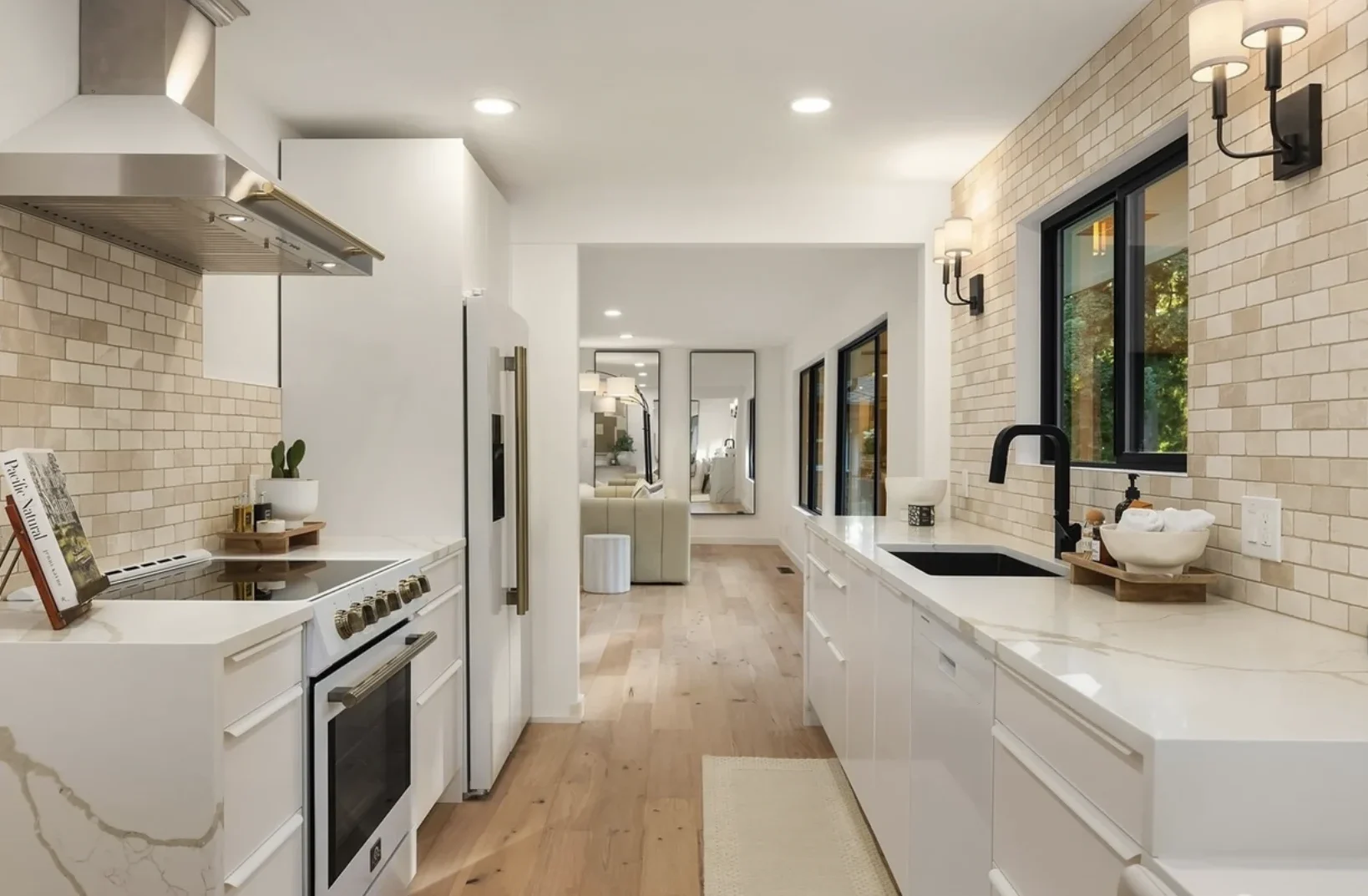
The Galley Kitchen runs along two parallel walls. It is efficient for cooking but can feel tight. Adding a window or removing a wall panel can open it up considerably.
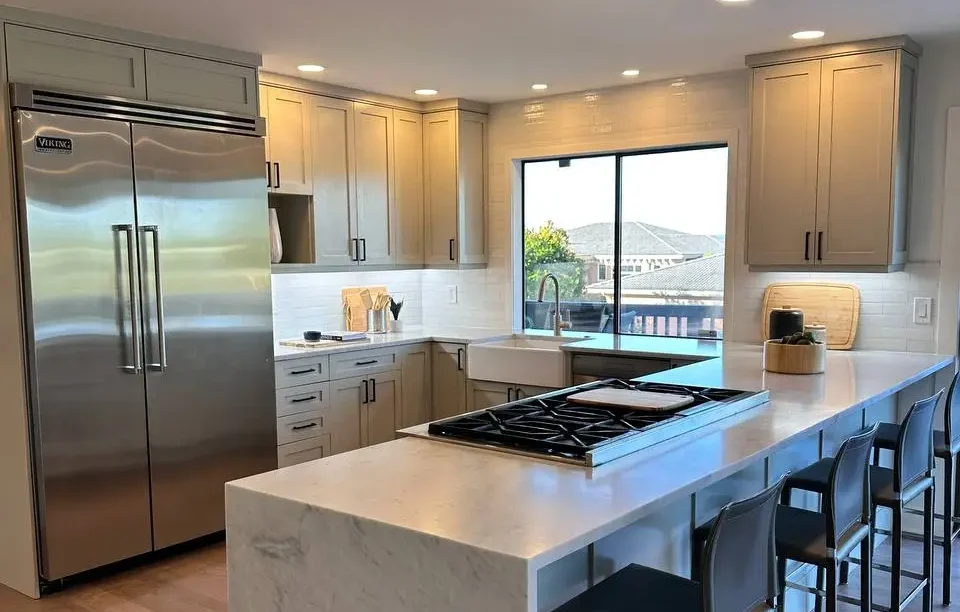
The L-Shape or U-Shape Kitchen works well in medium to large spaces. These layouts allow for islands, better traffic flow, and dedicated zones for prep, cooking, and cleanup.
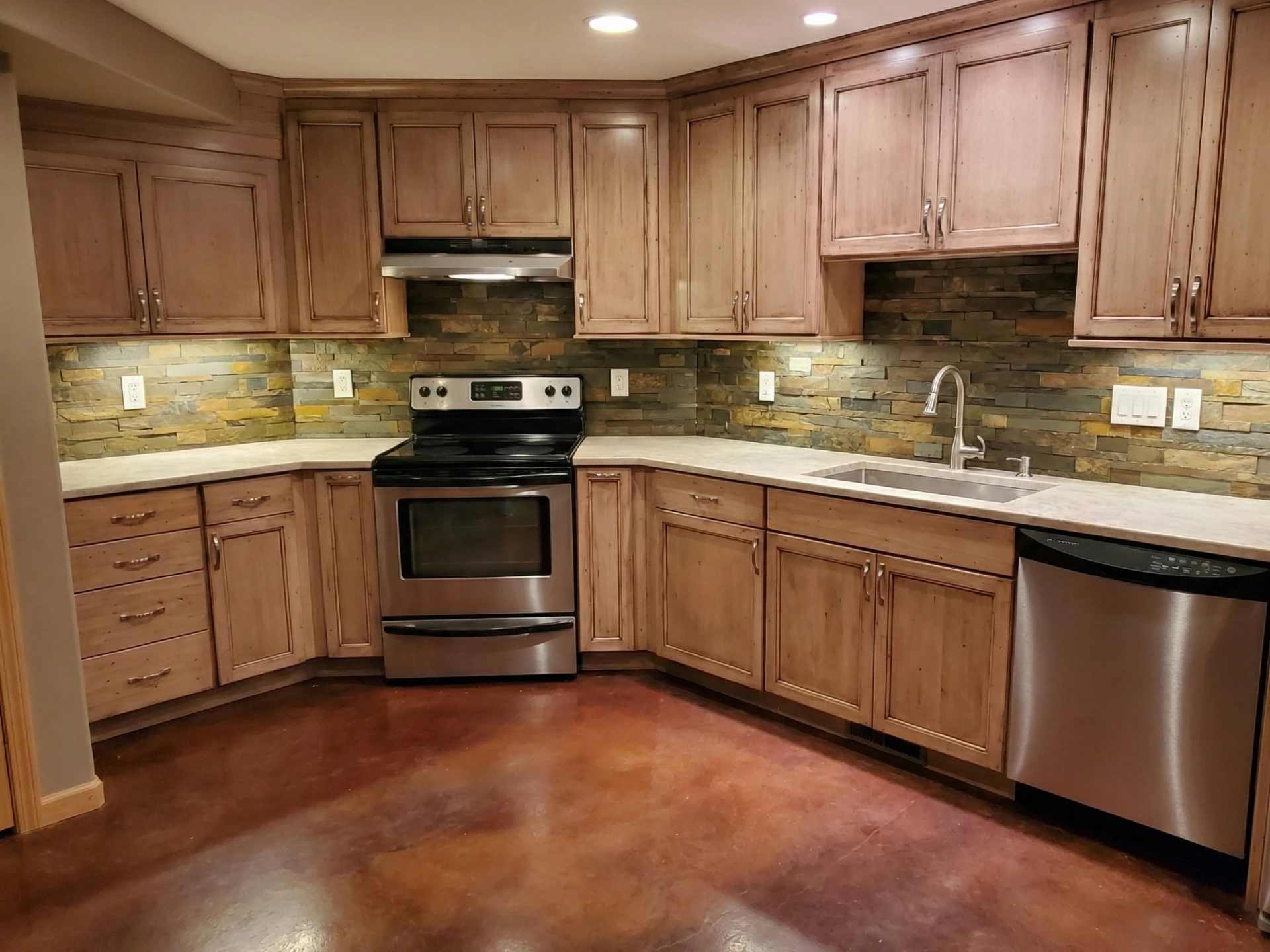
The Open Concept Kitchen connects directly to a dining or living area. It is popular right now (and has been for a while), but it comes with a caveat: removing walls often means dealing with load-bearing structures, electrical rerouting, or plumbing shifts. Those surprises add cost and time.
Pick ideas that work within your existing layout unless you have the budget to restructure. Layout changes typically add $5,000 to $15,000 or more to a project.
3. Set a Realistic Budget Before You Fall in Love With Anything
Here is the thing. Kitchen remodeling budgets vary enormously, and what you see in a magazine does not come with a price tag. Knowing your range upfront keeps the planning process grounded.
Rough cost tiers to keep in mind:
- Minor refresh (paint, hardware, lighting, faucets): $2,000 to $8,000
- Mid-range remodel (new cabinets, countertops, appliances): $20,000 to $50,000
- Full gut renovation (layout changes, new everything): $60,000 to $120,000+
These are broad ranges and vary by region, material selection, and labor costs. A kitchen in downtown Seattle will cost more than the same project in a rural suburb. Budget for a 10 to 15 percent contingency. Something almost always comes up once walls are opened.
4. Where to Actually Find Kitchen Remodeling Ideas
Beyond the obvious answer of Pinterest and Instagram, there are more useful places to gather ideas.
Showrooms. Visit kitchen and bath showrooms in your area. Seeing cabinet finishes, countertop materials, and hardware in person under real lighting changes everything. Photos on a screen do not show texture, depth, or how materials age.
Contractor portfolios. A reputable kitchen remodeling company will have a project gallery. These photos show real homes, real budgets, and real results. Look for projects similar in size and scope to yours.
Houzz and similar platforms. Filter by room size, style, and budget to find relevant examples. Save what you actually like, not just what looks impressive.
Your neighborhood. Homes built around the same era as yours often have similar floor plans and structural quirks. If a neighbor recently remodeled, that is relevant reference material.
5. Prioritize These High-Impact Updates
Not every upgrade delivers equal return. Here is where to focus if you want maximum impact for your investment.
Cabinets and storage. Cabinets make up 30 to 40 percent of most kitchen remodel budgets for a reason. They define the look of the space and determine how functional it actually is. Semi-custom cabinets offer the best balance of cost and flexibility.
Countertops. Quartz is currently the dominant choice for durability and low maintenance. Natural stone looks beautiful but requires sealing and more care. Butcher block adds warmth at a lower price point but is not ideal near heavy moisture.
Lighting. Under-cabinet lighting and recessed ceiling fixtures completely change how a kitchen feels to cook in. This is one of the highest-return upgrades per dollar, and it is often overlooked.
Appliances. Matching appliances in stainless steel or a coordinated finish pull a kitchen together visually. Built-in or panel-ready options look cleaner but cost significantly more.
6. Think About the Work Triangle (and When to Ignore It)
The classic design rule places the refrigerator, sink, and stove in a triangle formation for efficient movement. It is a solid starting point. That said, modern kitchens with islands and multiple cooks sometimes benefit from a different approach, like a zone-based layout that separates prep, cooking, and cleanup areas entirely.
If your kitchen has one main cook, the triangle still works well. For households where multiple people cook at once, zones make more sense.
7. Do Not Overlook Permits and Code Requirements
Alright, let us talk about the part nobody enjoys. Depending on the scope of your remodel, permits may be required for electrical upgrades, plumbing changes, or structural alterations. Skipping permits to save time creates problems when you sell the home. Inspectors will flag unpermitted work, and you may end up paying to redo it properly anyway.
If your remodel involves moving a gas line, relocating a sink drain, or adding a new circuit, plan for the permit process. It adds a few weeks in some municipalities, sometimes longer. Factor that into your timeline.
8. How Long Will a Kitchen Remodel Take?
Timeline expectations matter, especially if the kitchen is your household’s main one.
- Minor refresh: 1 to 3 weeks
- Cabinet and countertop replacement: 3 to 6 weeks
- Full renovation with layout changes: 8 to 16 weeks or more
Material delays are common, particularly for custom cabinets and specialty tile. Order materials early. Lead times on some cabinetry can stretch to 8 to 12 weeks depending on the manufacturer and the season.
9. Match Your Remodel to Your Resale Goals
If you are remodeling primarily to sell, keep the finishes neutral and broadly appealing. Bold choices narrow your buyer pool. White or light gray cabinets, neutral countertops, and classic hardware photograph well and appeal to the widest range of buyers.
If you are staying for 10 or more years, design for yourself. You will get more use out of the space, and trends will shift multiple times before you sell anyway.
Summary: What to Do Next
The best kitchen remodeling ideas are the ones that actually solve your problems, fit your budget, and work within your existing space. Start with a clear audit of what is not working. Set your budget range before you shop materials. Gather ideas from showrooms and real project portfolios, not just curated online photos.
When you are ready to move forward, get two or three detailed proposals from licensed kitchen remodeling companies in your area. Compare them on scope, materials, and timeline, not just price. The cheapest bid is rarely the best value.
A well-planned kitchen remodel adds real function, daily comfort, and long-term home value. The planning stage is where that outcome is decided.