The Core Difference Between Kitchen Remodeling and Renovation
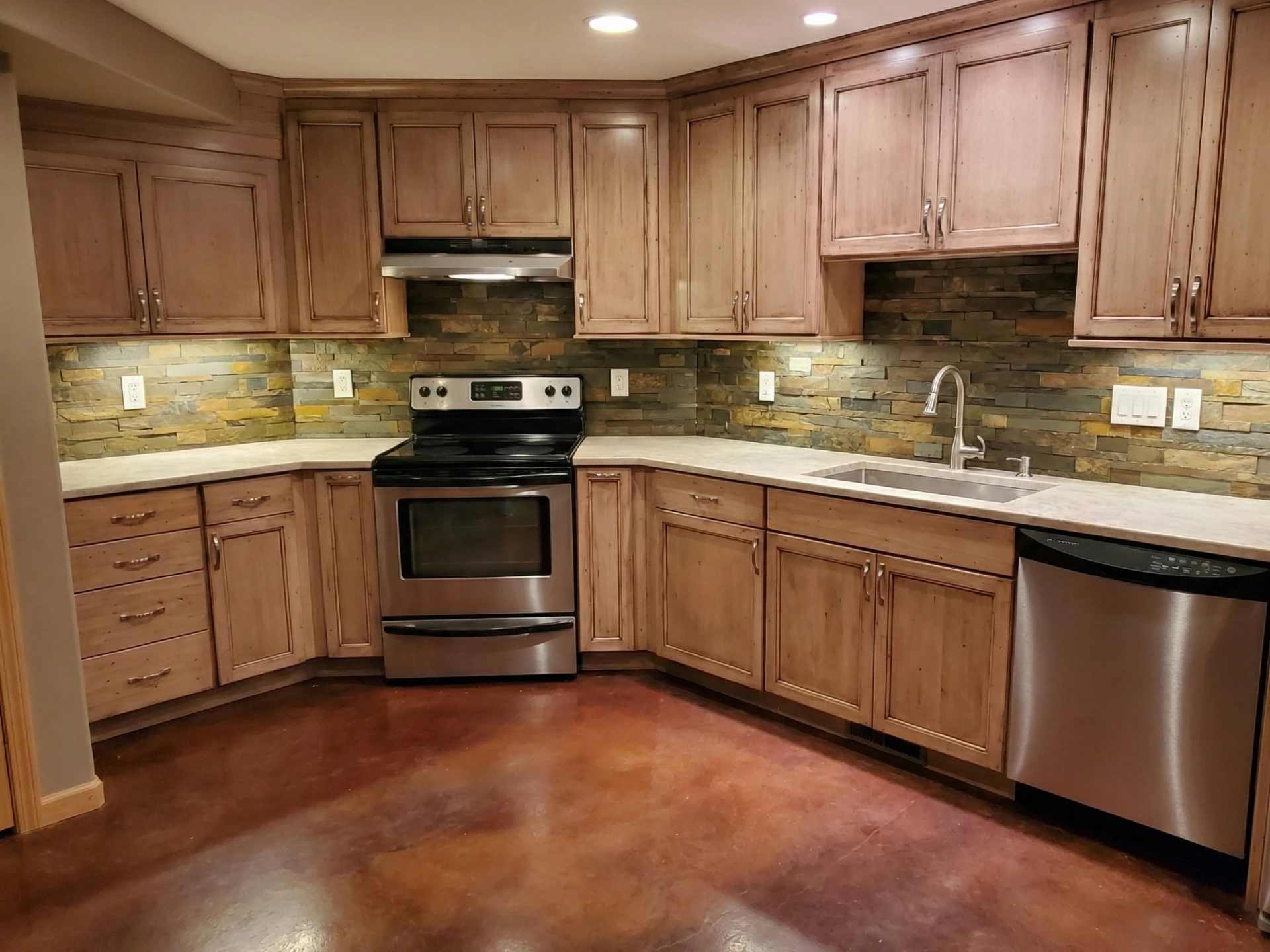
A kitchen renovation simply updates what you already have. You’re keeping the same layout, same plumbing locations, same electrical setup, same walls. You’re just replacing worn out cabinets, swap outdated countertops, install new flooring, and upgrade appliances. The bones are essentially staying put.
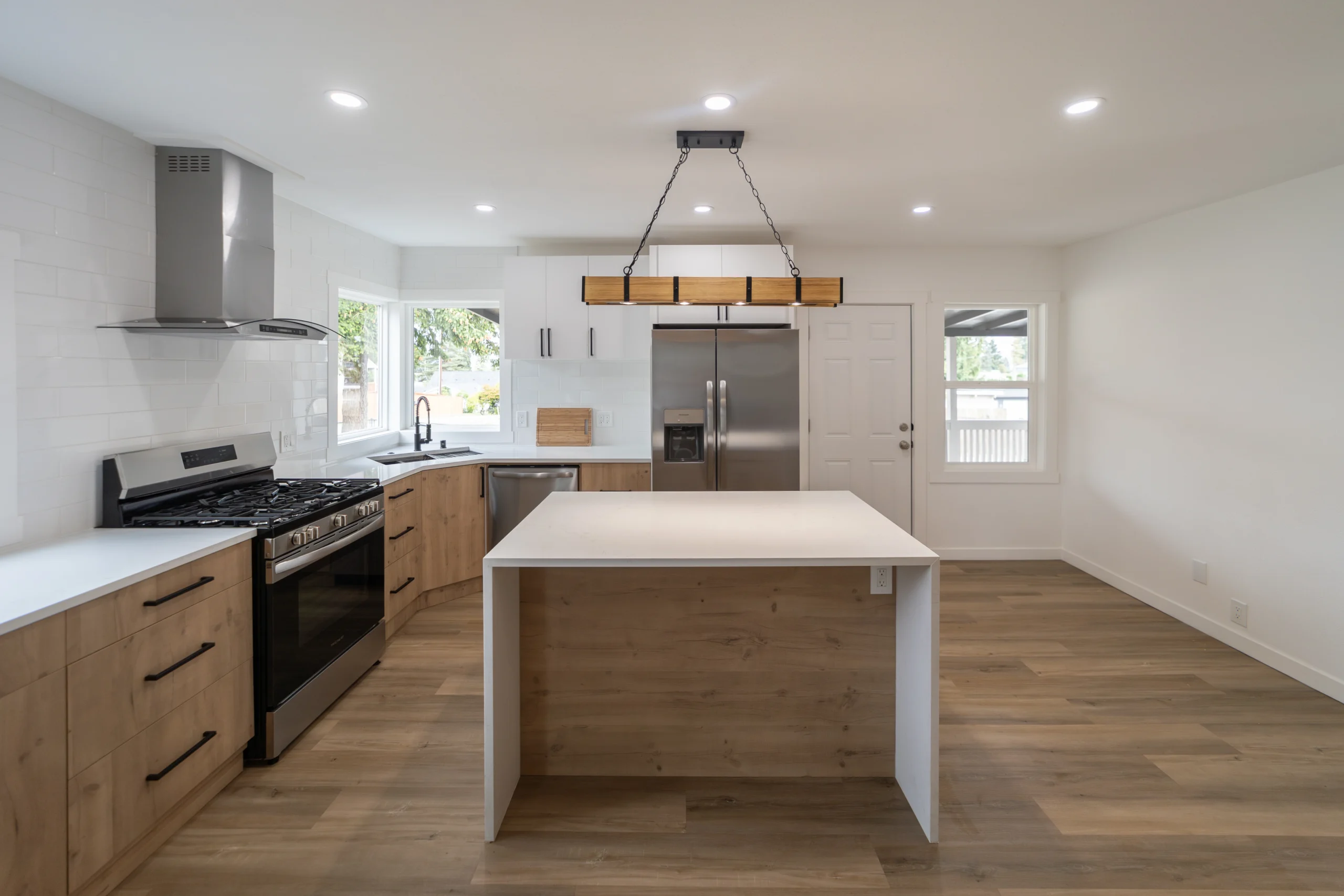
Kitchen remodeling changes the structure. You might knock down a wall to create an open floor plan, move the sink to a different wall, add a center island, or relocate the refrigerator. Full remodeling reshapes how the space functions, not just how it looks.
Think of renovation as a refresh while remodeling is a rebuild.
What’s Actually Involved in Kitchen Renovation
Renovation projects focus on surfaces and fixtures like working with the existing footprint there. Common renovation tasks include replacing cabinet doors and hardware, installing new countertops (granite, quartz, or laminate), upgrading to stainless steel appliances, putting in fresh flooring (tile, vinyl, or hardwood), and updating light fixtures.
Most renovations don’t require major permits unless you’re moving electrical outlets or adding gas lines. The work happens faster because you’re not dealing with structural changes. You can often keep using parts of your kitchen during the project, which just makes daily life easier.
Understanding Kitchen Remodeling Scope
Alright let’s talk about what remodeling really means. This is where a construction company earns it because full remodeling involves removing walls (load-bearing or not), relocating plumbing lines for sinks and dishwashers, rewiring electrical for new appliance locations, adding structural support for islands or peninsulas, and creating entirely new layouts.
The permit requirements hit different here. You’ll need building permits for structural changes, electrical permits for new circuits or panel upgrades, plumbing permits for moving water lines or drains, and sometimes HVAC permits if you’re adjusting ductwork. Just check in with your local building department because they are the ones who decide what’s required based on code.
Kitchen Remodeling Costs: The Real Numbers
Here’s where budgets get serious. A full kitchen remodeling projects typically runs anywhere from $25,000 to $75,000 for mid-range work. On the other hand high end remodels with custom cabinets, premium appliances, and extensive structural changes can push past $100,000.
That cost covers demolition and disposal, framing for new walls or openings, plumbing and electrical relocation, new cabinets (custom or semi-custom), countertops and backsplash, flooring installation, appliance purchase and installation, and contractor labor. Don’t forget the hidden costs like eating out during construction or setting up a temporary kitchen, and the inevitable change orders when you discover that the old wiring that needs updating, which is not negotiable.
Renovation Budgets: What to Expect
Renovation projects are more budget-friendly running anywhere from $10,000 to $35,000 depending on material choices and kitchen size. You’re looking at costs for cabinet refacing or replacement, countertop materials and installation, new appliances, flooring materials and labor, fixtures and hardware, and paint or tile work.
The lower price point comes from avoiding structural work. No permits means no permit fees. No demolition also means less disposal cost if any. No rewiring means your electrician bill stays reasonable or basically the same as what it was.
Timelines: How Long Each Project Actually Takes
A renovation project typically takes 3 to 6 weeks from start to finish. You order materials, wait for delivery, then install everything in sequence. Some contractors can knock out smaller renovations in 2 weeks if materials arrive on time.
Kitchen remodeling timelines also start at around 8 to 16 weeks, sometimes longer if it’s something even more custom or if the construction company just doesn’t work the fast. The timeline includes design and planning (2-3 weeks), permit approval (1-4 weeks depending on your city), demolition (2-3 days), rough construction and framing (1-2 weeks), plumbing and electrical work (1-2 weeks), inspections (ongoing), cabinet and countertop installation (1-2 weeks), and final fixtures and details (1 week).
Expect delays. Cabinet manufacturers sometimes run behind schedule, countertop fabricators find issues with templates, inspectors rescheduling. So just building this buffer into your expectations prevents frustration of a too early expectation.
When Renovation Makes Sense
Choose renovation when your kitchen layout already works. The kitchen triangle between sink, stove, and refrigerator functions well, you have enough counter space, cabinet locations make sense, and you just need updated finishes. Renovation also makes sense when you’re on a tighter budget or need the project done quickly.
Of course, none of this comes free but renovation delivers visible improvements without the headache of major construction. Your neighborhood matters too because if comparable homes up and down the street have renovated kitchens rather than fully remodeled ones, matching that level makes financial sense for keeping a similar resale value.
When Kitchen Remodeling is the Right Call
Here’s when you need actual remodeling: your current layout wastes space or creates awkward workflows, if you want to open the kitchen to adjacent rooms, you’re adding an island for seating and storage, your family has grown and you need more functional space, or the existing kitchen was poorly designed from the start.
Older homes often need remodeling just to meet current standards. Maybe electrical service is inadequate for modern appliances. Maybe plumbing is outdated or maybe even the layout reflects the 1970s design that doesn’t actually match how families use kitchens today.
Permits and Building Codes
Let’s address the permit situation straight on because renovation rarely requires permits unless you’re adding electrical circuits or moving gas lines. Cosmetic work like painting, flooring, or cabinet replacement doesn’t trigger permit requirements in most areas.
Kitchen remodeling almost always requires permits. You file applications, pay fees (typically $500-$2,000), schedule inspections, and wait for approval before proceeding. Skipping permits creates headaches when selling your home. Buyers’ inspectors spot unpermitted work, which kills deals or forces you to bring everything up to code.
Building codes exist for safety, not bureaucracy. They prevent house fires from improper electrical work, stop sewage backups from bad plumbing, and ensure structural changes don’t compromise your home. Work with your construction company to handle permits properly from the start.
Return on Investment Considerations
Both options can increase home value, but the math works differently. Kitchen renovation typically returns 70-80% of your investment at resale. You may spend $25,000, you might see $17,500-$20,000 added to your home’s value. The appeal also just comes from the fresh updated finishes that help your home show well.
Kitchen remodeling can return 60-70% of the investment, sometimes less for high end projects. Spend $60,000 and you might recoup $36,000-$42,000. The lower percentage doesn’t mean remodeling is the wrong choice, it just means you’re often improving for your own lifestyle rather than purely for resale.
Market matters too. In hot markets where homes sell quickly, renovation might be enough. In competitive markets where buyers expect modern, open layouts, remodeling could be necessary to attract offers at your target price.
Making Your Decision
Start by evaluating your current kitchen honestly.
Does the layout work or frustrate you daily?
Is this a cosmetic issue or a functional problem?
How long do you plan to stay in the home?
What’s your realistic budget including a 15-20% contingency fund?
Talk to a construction company before committing to either path. Professional contractors assess your space, discuss your goals, explain what’s possible within your budget, and help you understand tradeoffs between renovation and remodeling. Good contractors don’t push you toward expensive remodeling if renovation solves your problems.
What to Consider Next
Before moving forward, gather quotes from at least three qualified contractors, confirm they’re licensed and insured, check references from recent projects, review examples of similar work, and discuss timeline expectations clearly. Ask about material lead times, especially for cabinets and appliances.
Whether you choose kitchen remodeling or renovation, the right approach depends on your specific situation not generic advice. Your home, your budget, and your goals determine the best path. Take time to plan properly, work with experienced professionals, and set realistic expectations for cost and timeline.
The difference between kitchen remodeling and renovation comes down to scope, not quality. Both can transform your space when done right so understanding what you actually need saves money and delivers results that work for your life.