Plan Your Layout Before You Touch Anything
Moving plumbing is expensive. Really expensive. If you can keep your toilet, sink, and shower in roughly the same spots, you’ll save $2,000 to $5,000 in plumbing costs alone. Sometimes the layout just doesn’t work and you need to move things around, but think hard before you do.
When you’re planning the layout, leave at least 30 inches of clear space in front of the toilet and vanity. You need 21 inches minimum in front of a toilet, but 30 inches makes the space actually comfortable to use. For the shower, aim for at least 36×36 inches, though 48×36 inches is better if you have the room.
Don’t Cheap Out on Ventilation
Alright, let’s talk about something nobody gets excited about but absolutely matters: your exhaust fan. The fan needs to be properly sized for your bathroom. The general rule is 1 CFM (cubic feet per minute) per square foot of bathroom space. So a 50-square-foot bathroom needs at least a 50 CFM fan.
More important than the CFM rating is making sure it vents to the outside, not into your attic. Venting into the attic just pumps moisture into your insulation, which leads to mold, rot, and all kinds of problems you don’t want. Fans typically cost $100 to $400, and installation adds another $200 to $400. It’s worth doing right.
Get Your Lighting Right (Finally)
Most bathrooms have terrible lighting. One overhead fixture and maybe a light bar over the mirror. That’s not enough.
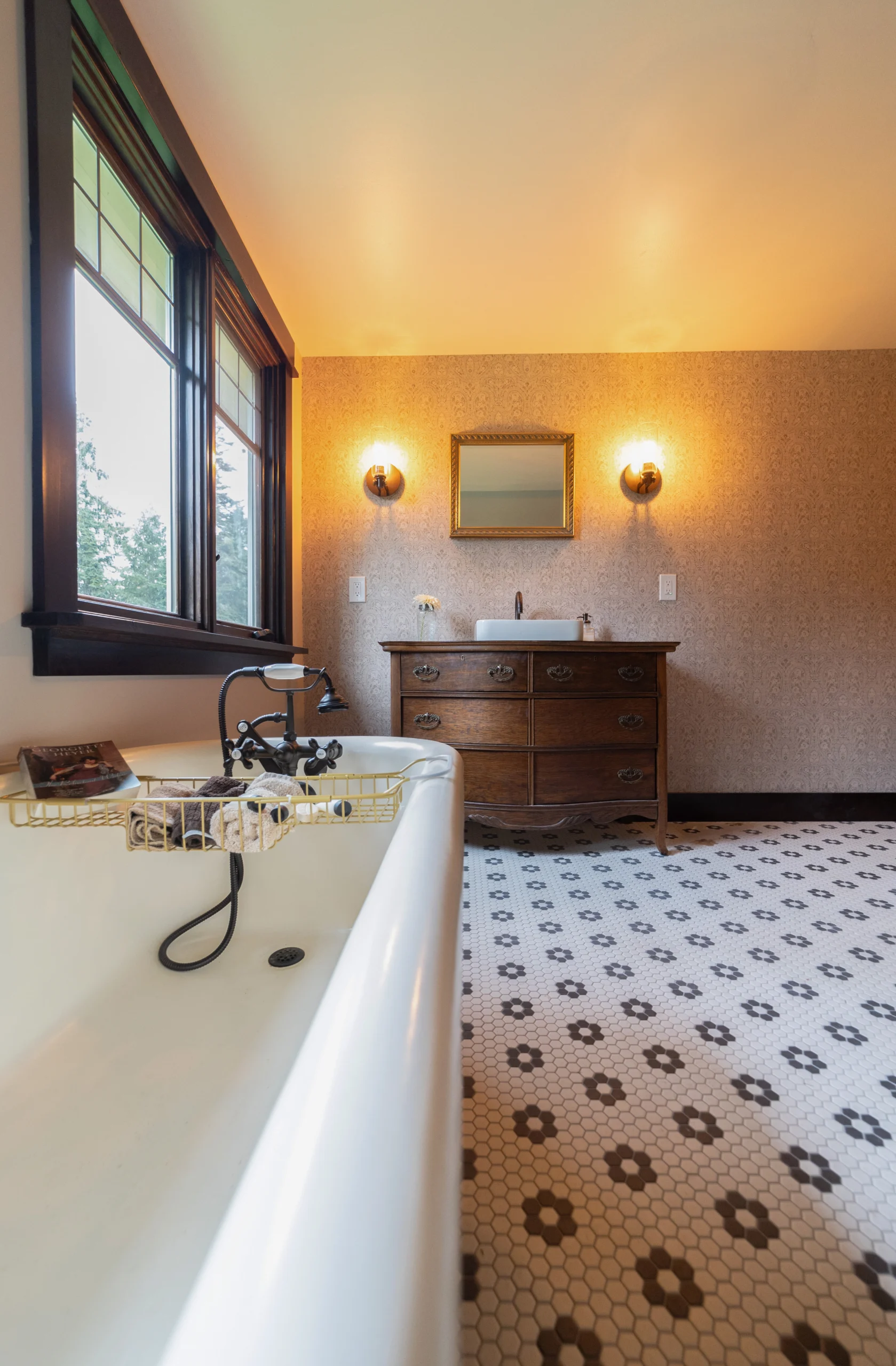
You want three types of lighting: general overhead (recessed lights or a ceiling fixture), task lighting at the mirror (wall sconces on either side work better than a bar above), and accent lighting if you have the space and budget. Put everything on dimmers so you can adjust the mood.
For mirror lighting, install sconces 36 to 40 inches apart, centered at about 60 to 65 inches from the floor. This puts light on your face instead of creating shadows. Expect to spend $300 to $800 on lighting fixtures, plus $400 to $1,000 for installation if you’re adding new electrical boxes.
Choose Tile Carefully (Size, Style, and Grout Matter)
Tile seems straightforward until you get into it. Floor tile needs texture or small mosaics for traction. Nobody wants to slip getting out of the shower. For walls, you can go with larger formats (12×24 or even bigger), which means fewer grout lines to clean.
Tile can range anywhere from $2 per square foot for basic ceramic to $15 or more per square foot for natural stone or designer porcelain. Installation typically runs $10 to $20 per square foot depending on the pattern and complexity.
Buy 15% extra tile beyond what you calculate you need. Tile comes in batches, and if you run short and order more later, the color or veining might not match exactly. Also, grout color matters more than you think. Skip white or light grout (it shows every bit of dirt and soap scum). Go with a medium gray or taupe that’s a few shades darker than your tile.
Invest in Proper Waterproofing (You Can’t See It But You Need It)
Nobody sees the waterproofing behind your tile, but it’s critical. Code requires a waterproof membrane in wet areas, especially in showers and around tubs. This means a pan liner for the shower floor and waterproof backer board or membrane on the walls.
Skipping this step or doing it wrong leads to water damage, mold, and rotted subfloors. You might save $500 to $800 now, but you’ll pay $5,000 to $10,000 later when you have to rip everything out and start over. Do it right the first time.
Pick the Right Vanity for Your Space
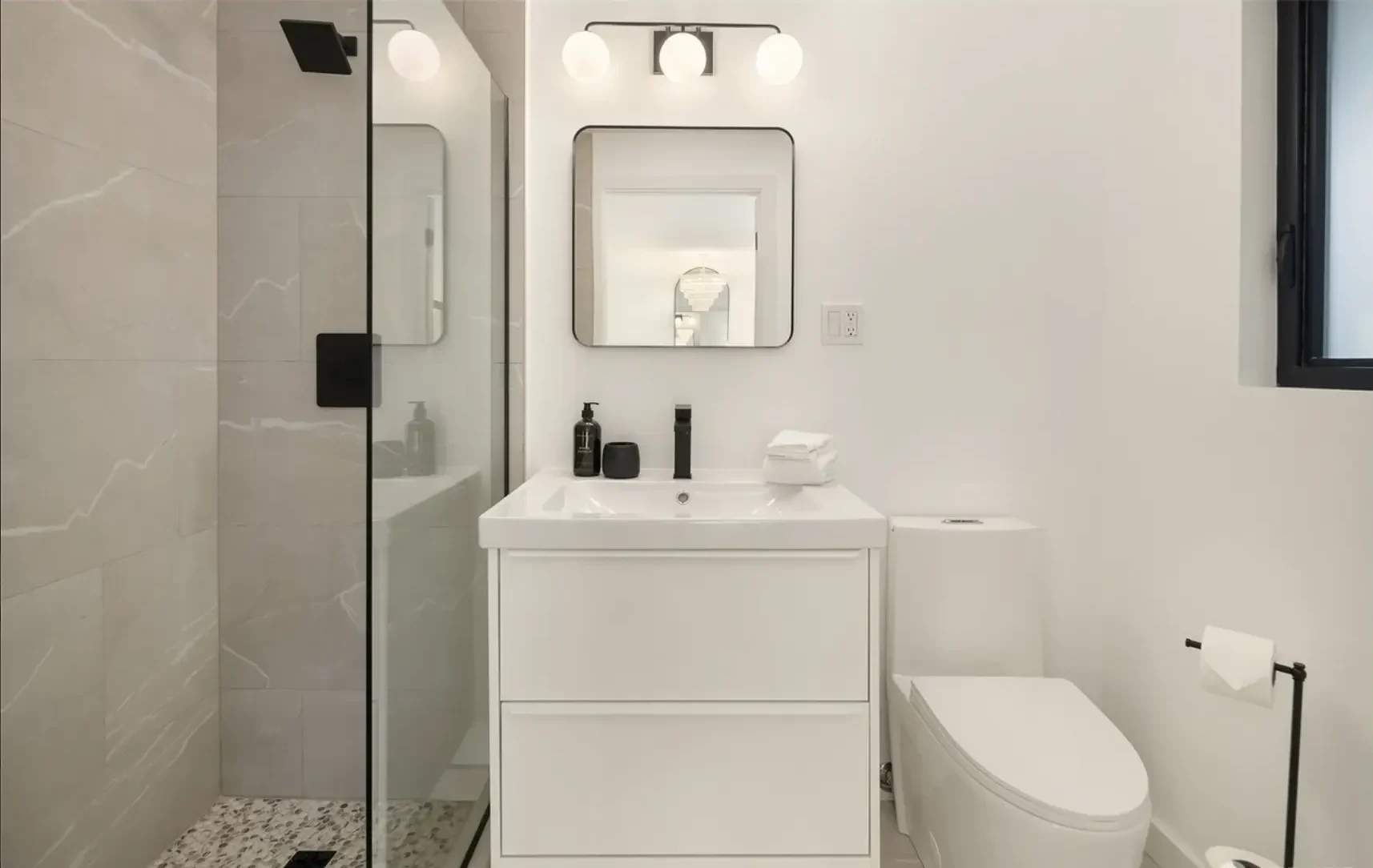
Vanity size matters. Too small and you don’t have counter space or storage. Too big and it crowds the room and blocks traffic flow. Standard vanity heights are 32 to 34 inches, but if you’re using a vessel sink (one that sits on top of the counter), lower the vanity to 28 to 30 inches so the rim isn’t awkwardly high.
For a single sink, 24 to 48 inches wide works in most bathrooms. For a double sink, you need at least 60 inches, though 72 inches is more comfortable. Vanities range from $300 for a basic prefab unit to $2,000+ for custom cabinetry. You can absolutely get a good-quality prefab vanity and dress it up with new hardware and a nice countertop for less than going custom.
Make Smart Choices on Where to Splurge and Where to Save
Bathrooms are small, which means you can splurge on a few high-impact materials without breaking the bank. A beautiful tile accent wall, a rainfall showerhead, or heated floors add a luxury feel without covering 1,000 square feet.
Heated floors cost about $8 to $15 per square foot for materials and installation. For a 50-square-foot bathroom, that’s $400 to $750. It sounds like a lot until you step out of the shower onto a warm floor in January.
On the flip side, you don’t need designer faucets that cost $800 when a solid mid-range option for $150 does the same job. Same with toilets. A good dual-flush toilet costs $250 to $400. The $1,200 model might have more bells and whistles, but it flushes the same.
Don’t Forget Storage and Function
Even in a small bathroom, you need storage. Medicine cabinets, linen closets, built-in niches in the shower. If you don’t plan for storage, you end up with bottles and products sitting on every surface.
Shower niches should be 12 to 16 inches wide and 4 to 6 inches deep. Place them between 48 and 60 inches from the floor so they’re easy to reach but not in the spray zone. If you’re doing tile, build the niche during framing so it’s integrated, not added later.
Also think about how doors swing. A door that swings into the bathroom is fine until it hits the toilet or vanity. Sometimes a pocket door or a door that swings out into the hallway works better.
Understand Permitting and Code Requirements
Most bathroom remodels require permits if you’re doing electrical, plumbing, or structural work. Permits typically cost $200 to $500, and inspections add time to the project. But pulling permits protects you. If something goes wrong later and you didn’t get permits, insurance might not cover it.
Code requirements vary by location, but common ones include GFCI outlets within 6 feet of water sources, proper venting for exhaust fans, and specific clearances around toilets and showers. A bathroom remodeling company familiar with local codes will handle this, but it’s good to know what to expect.
Final Thoughts: What You Should Consider Next
Bathroom renovation succeeds when you plan thoroughly, set a realistic budget, and make smart decisions about where to invest. Focus on the fundamentals: proper layout, good ventilation, quality waterproofing, and adequate lighting. Those aren’t the glamorous parts, but they determine whether your bathroom works well and lasts.
From here, decide whether you’re tackling this as a DIY project or hiring a bathroom remodeling company. If you’re going the pro route, get at least three detailed estimates. Make sure they include material costs, labor, timeline, and what happens if they find issues behind the walls (because they will).
Start by measuring your space, creating a realistic budget, and making a list of must-haves versus nice-to-haves. Then find professionals you trust, or if you’re doing it yourself, line up materials and schedule inspections. Either way, taking time to plan now means you’ll actually enjoy the renovation process instead of regretting half your decisions six months in.