1. Functionality Problems You Shouldn’t Ignore
Let’s talk about the elephant in the room: bad kitchen layouts. If you’re constantly bumping into someone while they’re loading the dishwasher, or if you need to close one cabinet door before opening another, your layout isn’t working. These aren’t minor annoyances. They’re daily frustrations that compound over time.
The kitchen triangle concept (sink, stove, refrigerator forming a work triangle) exists for good reason. When these three zones are too close together, you’re fighting for space. Too far apart, and you’re walking marathons just to make breakfast. Most functional triangles measure between 12 and 26 feet total, with each leg between 4 and 9 feet. Sounds technical, but it translates to actual comfort when you’re cooking.
Counter space is another common issue. If you’re constantly clearing space just to prep ingredients, you don’t have enough workspace. A kitchen remodeling company can reconfigure your layout to add functional counter areas without necessarily expanding your footprint (though sometimes that’s the better solution).
2. Return on Investment and Resale Value
Alright, let’s talk numbers. Kitchen remodeling projects typically recoup 50 to 80 percent of their cost when you sell, depending on your market and the scope of work. That’s actually solid compared to many home improvements. A minor kitchen remodel (new cabinet doors, updated appliances, fresh countertops) runs $15,000 to $30,000. A major remodel with layout changes, all new cabinets, and high-end finishes can hit $60,000 to $120,000 or more.
Here’s what matters though: buyers notice kitchens first. An outdated kitchen can kill a sale or force price reductions that exceed what a remodel would have cost. Even if you’re not selling soon, you’re living with this space daily. The value isn’t just in resale dollars. It’s in quality of life and not dreading your own kitchen.
One thing worth noting: over-improving for your neighborhood rarely pays off. If you’re in a neighborhood where homes sell for $300,000, installing $80,000 worth of luxury finishes might not return the investment. Match your improvements to your market.
3. Energy Efficiency Makes a Real Difference
Old appliances are energy vampires. A refrigerator from 2005 uses roughly 40 percent more electricity than current Energy Star models. Multiply that across a dishwasher, range, and other appliances, and you’re looking at $400 to $800 annually in unnecessary utility costs. Over ten years, that’s real money.
Modern LED lighting uses 75 percent less energy than incandescent bulbs and lasts 25 times longer. Proper insulation behind cabinets and updated windows can reduce heating and cooling costs. Low-flow faucets save water without sacrificing pressure. These aren’t flashy upgrades, but they affect your bills every month.
Of course, none of this comes free. Energy-efficient appliances typically cost 10 to 20 percent more upfront, but the payback period is usually 3 to 7 years. After that, you’re ahead. Plus, some utility companies offer rebates for certain upgrades, which helps offset initial costs.
4. Safety and Code Compliance
Here’s something most homeowners don’t think about: building codes have changed significantly over the past 20 years. Electrical requirements, plumbing standards, ventilation rules… all different now. If your kitchen was last updated in 2000 or earlier, it’s almost certainly not up to current code. That doesn’t mean you’ll get fined (existing installations are usually grandfathered), but it can create issues during a home sale or refinance.
More importantly, outdated electrical systems pose real fire risks. Older wiring can’t safely handle the electrical load of modern appliances. Outlets near water sources should have ground fault circuit interrupters (GFCIs), which many older kitchens lack. Range hoods need proper venting (who would’ve thought?). These aren’t suggestions. They’re safety requirements that protect your family.
Old appliances present other hazards. Gas ranges with malfunctioning igniters, ovens with failing seals, dishwashers that leak… these problems typically get worse over time. Replacement becomes safer than continued operation.
5. Storage That Actually Makes Sense
Walk into any 20-year-old kitchen and you’ll find the same storage problems: deep cabinets where items disappear in the back, awkward corner cabinets with wasted space, insufficient drawer storage, and no designated spots for specific items. You end up with plastic containers tumbling out every time you open a door.
Modern storage solutions have improved dramatically:
- Pull-out shelving that brings back-corner items within reach
- Deep drawers for pots and pans (instead of stacking them precariously)
- Spice racks integrated into cabinets
- Lazy Susans that actually work smoothly
- Drawer dividers and organizers built in from the start
- Pantry systems with adjustable shelving
A good kitchen remodeling company will assess how you actually use your kitchen and design storage accordingly. Not everyone needs the same solutions. Someone who bakes constantly needs different storage than someone who mainly reheats.
6. Materials Technology Has Improved
Countertop materials available 15 years ago don’t compare to what’s available now. Quartz countertops have become more affordable and offer better stain resistance than granite with less maintenance. Luxury vinyl plank flooring provides waterproof durability that looks like real wood. Cabinet finishes resist moisture and wear better than older options.
Even basic materials have improved. Paint formulations are more durable and scrubbable. Tile adhesives and grouts resist moisture better. Cabinet hardware operates more smoothly and lasts longer. These incremental improvements add up to a kitchen that holds up better over time.
The flip side: older materials often contain issues we’ve since addressed. Some older cabinets contain formaldehyde-based adhesives that off-gas for years. Lead paint (in homes built before 1978) requires special handling during renovation. Asbestos sometimes lurks in old flooring or texture coatings. A professional remodeling company knows how to identify and properly address these materials.
7. Your Family’s Needs Have Changed
The kitchen that worked when you first moved in might not fit how you live now. Maybe you’ve got kids who need homework space. Or you’ve become serious about cooking and need better ventilation and workspace. Or you’re hosting family gatherings more often and need more seating and serving areas. Or you’ve developed mobility issues that make certain cabinet heights impractical.
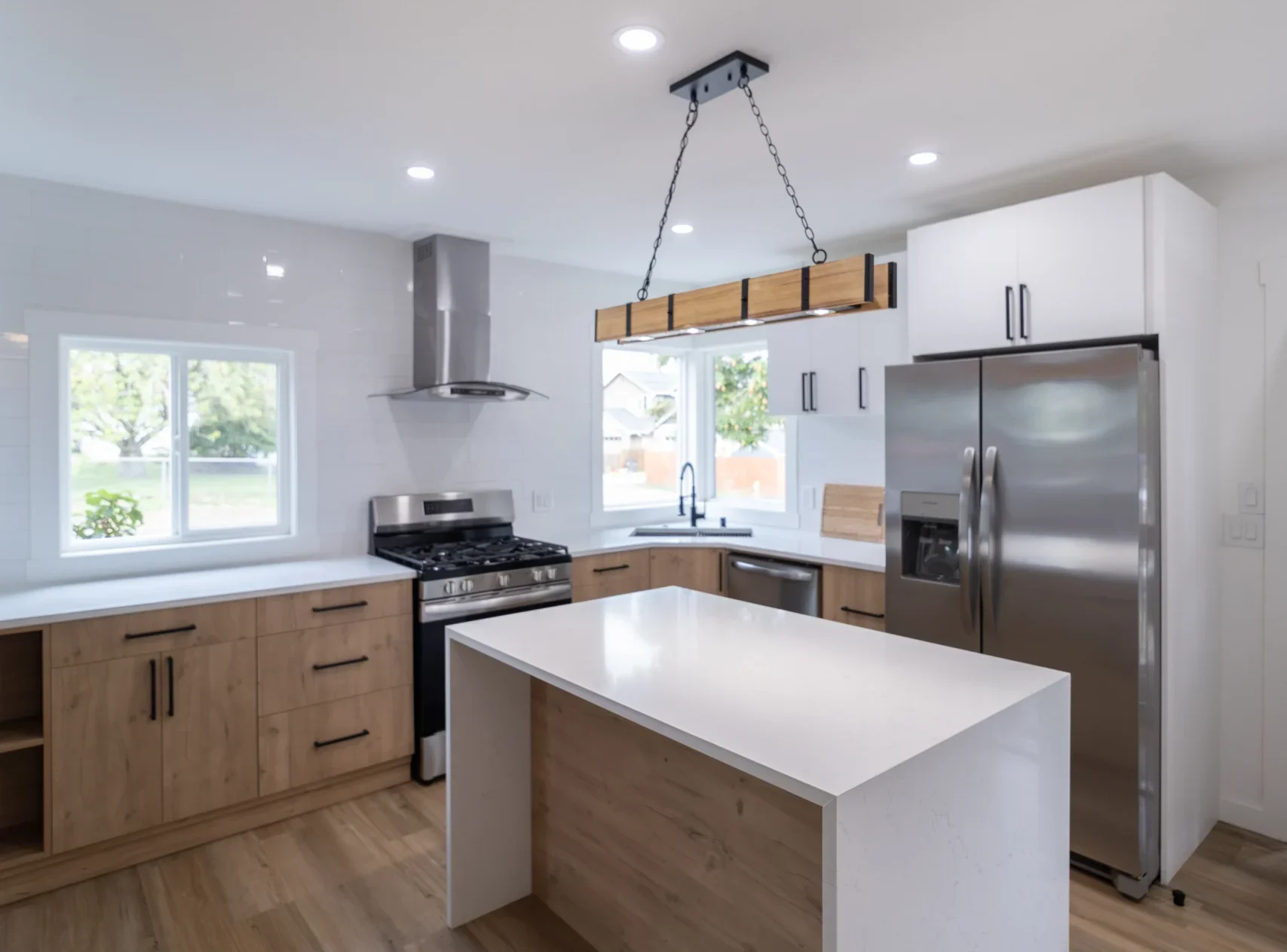
Lifestyle changes deserve kitchen changes. Adding an island can create casual seating and additional prep space. Lowering some countertops improves accessibility. Creating a beverage station means coffee doesn’t require full kitchen access. Open concept layouts work better for families who want to interact while cooking.
This is where cookie-cutter solutions fall short. Your kitchen should work for your specific situation, not some generic “average family” that doesn’t exist.
8. Timeline and Investment Reality
Let’s get practical about what kitchen remodeling actually involves. Minor cosmetic updates (painting cabinets, replacing countertops, updating appliances) typically take 2 to 4 weeks. Full remodels with layout changes, new cabinets, and updated electrical/plumbing run 6 to 12 weeks, sometimes longer if there are surprises behind walls (there usually are).
During construction, you won’t have a functional kitchen. Plan accordingly. Set up a temporary kitchen in another room with a microwave, coffee maker, and portable cooktop. Expect noise, dust, and workers in your home. Good contractors minimize disruption, but they can’t eliminate it entirely.
Budget for contingencies. Most remodeling projects encounter at least one unexpected issue: hidden water damage, structural problems, electrical work that’s more extensive than anticipated. Setting aside 10 to 15 percent extra for surprises prevents panic when something comes up. Because something always comes up.
Permits add time but they’re not optional. Electrical, plumbing, and structural work all require permits in most jurisdictions. Pulling permits typically adds 1 to 3 weeks to your timeline, but it ensures work meets code and protects you during eventual home sale.
Planning Your Kitchen Remodel: Start Here
Before contacting a remodeling company, identify what’s not working in your current kitchen. Make a list. Be specific: “not enough counter space near the stove” is more useful than “kitchen is too small.” Take measurements of your space and major appliances.
Collect inspiration images, but stay realistic about what fits your budget and space. That gorgeous 400-square-foot kitchen in the magazine might not translate to your 120-square-foot reality.
Get multiple quotes from licensed, insured contractors. Check references. Ask about their experience with projects similar to yours. A company that specializes in high-end custom work might not be the right fit for a modest update, and vice versa.
Understand what’s included in quotes. Does it cover permits? Debris removal? Does it include allowances for materials, or are those additional? Clarify the payment schedule and how change orders work (they’re common, so know the process upfront).
The Bottom Line
Kitchen remodeling addresses real problems: layouts that don’t function, appliances that cost too much to operate, safety concerns, inadequate storage, and spaces that no longer fit how you live. It’s not about following trends or impressing neighbors. It’s about creating a kitchen that makes daily life easier and protects your home’s value.
Work with a qualified kitchen remodeling company that understands local codes, has established supplier relationships, and communicates clearly throughout the process. Your kitchen isn’t a DIY experiment. It’s too important and too complex for trial and error.
Consider timing, budget, and scope carefully. Start planning months before you want construction to begin. And remember: you’ll have this kitchen for the next 15 to 20 years. Make decisions you can live with long-term, not just what looks good in the moment.