Daily Habits That Prevent Big Problems
The best maintenance happens before problems start. Wipe down countertops after each meal with warm water and mild soap. Clean spills from cabinets immediately (especially any oil and acidic liquids like tomato sauce or vinegar). Run your garbage disposal with cold water for 15 seconds after each use. Empty the dishwasher filter weekly.
These small actions prevent staining, warping, and buildup that lead to expensive repairs. Most damage we see in kitchens happens slowly over months of ignored maintenance.
Countertop Care By Material Type
Different countertops need different approaches. Quartz handles daily life well but needs pH neutral cleaners. Granite requires annual sealing to prevent stains and bacteria growth. Marble scratches and etches easily so use cutting boards and coasters as often as possible is needed.
Butcher block needs monthly oiling with food safe mineral oil. Laminate countertops can’t handle excessive moisture around seams. Concrete countertops need resealing every 1-2 years depending on traffic.
Quick maintenance timeline:
- Daily: wipe surfaces after use
- Weekly: deep clean with appropriate cleaner
- Monthly: oil wood surfaces, check seals
- Annually: reseal porous materials like granite or concrete
Cost for professional resealing runs $200-400 depending on square footage and it’s 100% worth it compared to replacing damaged countertops ($2,000-8,000).
Cabinet Protection and Hardware Checks
Cabinets take more abuse than people realize. Check hinges and drawer slides every few months. Tighten loose screws before they strip the wood and lubricate hardware with silicone spray.
Clean cabinet exteriors with microfiber cloths and wood safe cleaners. Avoid excessive water around cabinet bases, especially near sinks and dishwashers. Water damage to cabinet boxes is one of the most common issues we address during kitchen remodeling projects.
If you have soft close mechanisms, they need occasional adjustment. Doors that slam or won’t close fully indicate worn dampeners.
Sink and Faucet Maintenance
Stainless steel sinks stay cleaner when you dry them after each use. Sounds tedious, but it prevents water spots and mineral buildup. Undermount sinks need caulk inspections twice yearly. Failed caulk lets water seep into cabinets below.
Composite sinks like granite or quartz composite need gentle cleaners. Harsh chemicals just dull the finish you paid top dollar for. Farmhouse sinks especially fireclay or cast iron, chip if you drop heavy pots. Touch up kits exist for basically all countertops and sinks but prevention is easier and cheaper.
Faucets need aerator cleaning every 3-6 months. Unscrew the tip, soak in vinegar for an hour, scrub away mineral deposits. Low water pressure? It’s usually the aerator, not your plumbing.
Now let’s talk about what happens beneath the sink. Check for leaks monthly by running your hand along the pipes and connections. Catch a slow leak early and you’re looking at a $150 repair. Miss it for six months and now you’re replacing cabinet boxes and potentially dealing with mold remediation which could easily start in the $2,000-5,000 range.
Appliance Care That Extends Lifespan
Refrigerators need condenser coil cleaning twice yearly. Pull the unit out or remove the bottom panel and vacuum the coils. Dirty coils make your fridge work harder, driving up energy bills and shortening compressor life.
Dishwashers clog from food debris. Scrape plates before loading, but don’t pre-rinse (modern dishwashers need some residue to activate sensors). Run an empty cycle with vinegar monthly to prevent buildup.
Range hoods need filter changes every 3-6 months for ducted systems. Non-ducted hoods need charcoal filter replacements. Greasy filters are fire hazards. Clean mesh filters in the dishwasher on the heavy cycle.
If you have one of the fancy ovens with the self clean cycles just use them sparingly, like 2-3 times yearly sparingly. The extreme heat stresses components and for routine cleaning, manual scrubbing with baking soda paste works better and safer.
Appliance maintenance costs:
- Filter replacements: $10-40 each
- Professional deep cleaning: $100-200
- Coil cleaning service: $75-150
- Repair calls when you skip maintenance: $200-600 per visit
Backsplash and Grout Maintenance
Tile backsplashes need sealed grout. Unsealed grout absorbs stains and moisture. Seal new grout after any installation then just keep resealing it annually, the process could take about an hour with a $15 bottle.
Glass and metal backsplashes show fingerprints and water spots so clean with glass cleaner or vinegar solution. Stainless steel scratches easily, so use soft cloths and cleaners designed for stainless.
Subway tiles with white grout? That grout will darken over time. Some homeowners try bleaching it which just risks damage but a better option: accept the patina or choose darker grout from the start during a kitchen remodeling project.
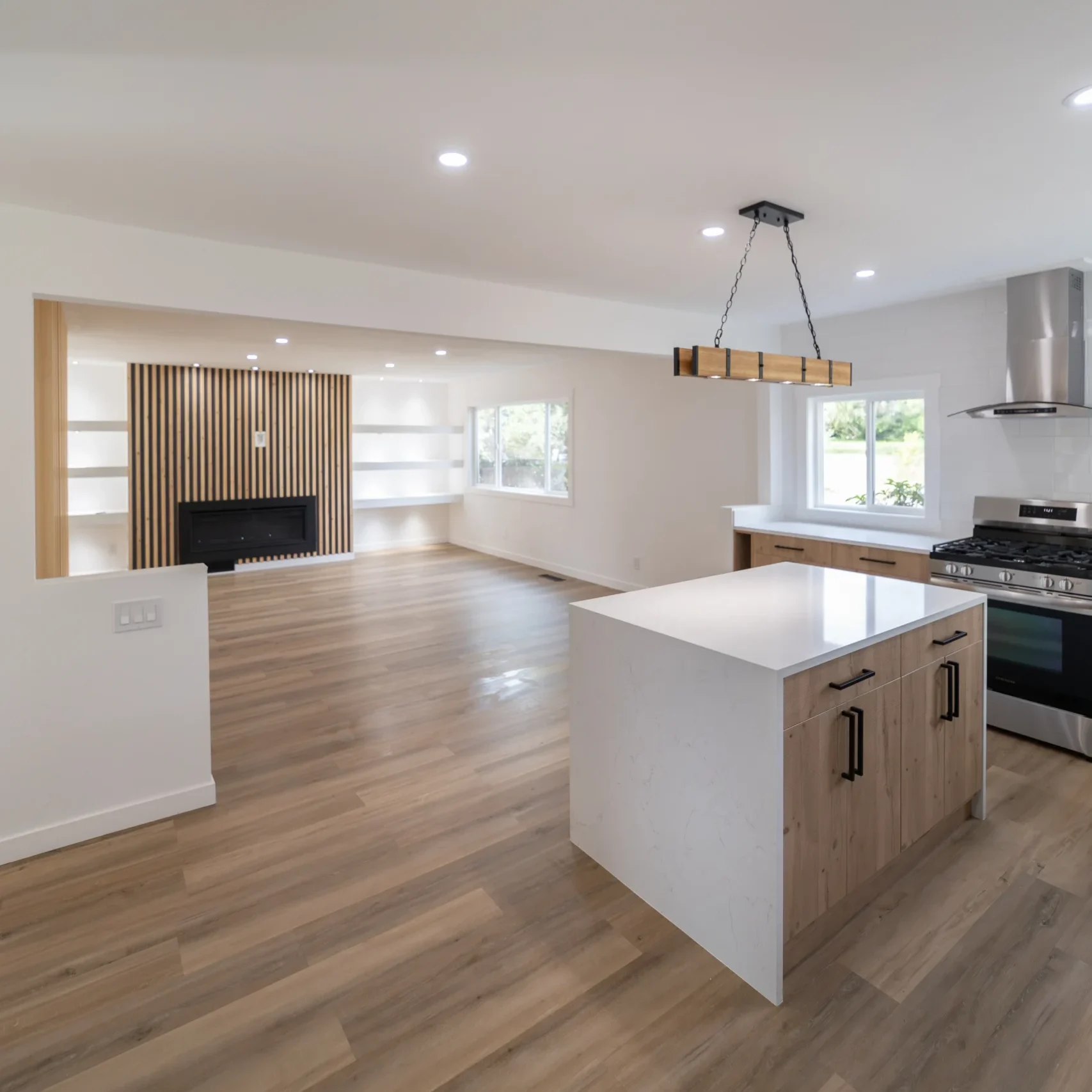
Flooring Considerations for Modern Kitchens
Hardwood in kitchens needs immediate spill cleanup. Water sitting on wood causes cupping and warping. Use area rugs near sinks and stoves (with non-slip pads). Refinish hardwood every 5-7 years in high-traffic kitchens.
Tile floors need grout maintenance similar to backsplashes. Cracked grout lets water penetrate the subfloor. LVP (luxury vinyl plank) handles moisture better but shows scratches from grit and sand. Sweep or vacuum daily.
Here’s the thing about kitchen floors: they reveal deferred maintenance faster than any other surface. A damaged floor often indicates larger issues, like plumbing leaks or poor ventilation causing moisture problems.
Ventilation and Moisture Control
Range hood venting isn’t optional in modern kitchens because of the code requiring it most areas. Ducted systems move moisture and cooking fumes outside. Non ducted systems just recirculate air through filters. Big difference in effectiveness.
Run your range hood during cooking and for 15 minutes after. This prevents grease buildup on cabinets and reduces moisture that damages finishes. Under cabinet lighting also generates heat so make sure you have LED bulbs since they run cooler than halogens and last longer.
Window condensation indicates ventilation problems. If you see moisture regularly, your exhaust system isn’t keeping up with your cooking habits. This matters during kitchen remodeling when we’re sizing new ventilation systems.
When to Call a Remodeling Company
Some maintenance crosses into repair territory. Cabinet doors that won’t close indicate settling foundations, countertop seams separating suggest installation issues, & flooring transitions lifting mean moisture problems.
Signs you need professional assessment:
- Soft spots in flooring near appliances
- Cabinet doors misaligned despite hinge adjustments
- Persistent odors you can’t trace
- Electrical outlets near water sources without GFR protection
- Outdated plumbing showing corrosion
A reputable remodeling company can evaluate whether you need repairs or full updates. Sometimes a $500 repair prevents a $15,000 renovation down the road while other times, aging systems make renovation the smarter investment.
Planning for Long-Term Kitchen Health
Budgeting for maintenance prevents surprises. Set aside $300-500 annually for routine care: sealing, hardware replacement, small repairs. Larger updates (faucet replacement, appliance upgrades) come every 8-12 years.
Keep records of what you’ve done and when. Document dates of sealing, repairs, and replacements because this helps with resale value and keeps you on schedule for recurring maintenance.
Of course none of this matters if your kitchen’s layout or function no longer works for your life. Maintenance keeps systems running but sometimes starting fresh with kitchen remodeling makes more sense than maintaining outdated spaces.
The Bottom Line on Kitchen Maintenance
Modern kitchens reward consistent attention. Daily wiping, monthly checks, and annual professional services prevent most major problems. Different materials need specific care, so follow manufacturer guidelines for your countertops, cabinets, and appliances.
Budget time and money for maintenance. A well maintained kitchen lasts 15-20 years before needing major updates. Skip maintenance and you’re looking at problems within 5-7 years.
What to do next: Walk through your kitchen with a notebook. List the materials you have (countertop type, cabinet finish, flooring). Note the last time you sealed anything, cleaned appliance coils, or checked under your sink then from that create a maintenance schedule based on this guide.
If you discover deferred maintenance or outdated systems, talk with a remodeling company about your options. Sometimes repair makes sense. Sometimes a thoughtful renovation solves multiple problems while updating your space for modern living.